No10
No 9
No 8
No 7
No 6
No 5
No 4
No 3
No 2
No 1


For the Appreciation of the World's Finest Aeroplanes
 by Pujgnie » Sun Oct 04, 2009 7:33 pm


by Saracenman » Sun Oct 04, 2009 7:36 pm
 Spitfire beaten by Mustang?


by Dan4th » Sun Oct 04, 2009 9:29 pm

by Xplumberlives » Sun Oct 04, 2009 9:43 pm


by Bubbles » Sun Oct 04, 2009 10:09 pm




by Dan4th » Sun Oct 04, 2009 11:54 pm
by Pujgnie » Mon Oct 05, 2009 1:00 am
by Xplumberlives » Mon Oct 05, 2009 4:45 pm


by Dan4th » Mon Oct 05, 2009 4:59 pm
by Xplumberlives » Mon Oct 05, 2009 5:01 pm
Dan4th wrote:I will add (tentatively):
Starfighter
Sabre
Corsair
More to follow.....
And Don't Forget that was a British-Made Documentary!
D.
by Dan4th » Mon Oct 05, 2009 5:09 pm
by Xplumberlives » Mon Oct 05, 2009 5:11 pm
Dan4th wrote:Oh, and let me quickly add the Phantom
before IcH beats me to it.....
D.
by Saracenman » Mon Oct 05, 2009 5:13 pm

by Dan4th » Mon Oct 05, 2009 5:40 pm
Xplumberlives wrote:Dan4th wrote:Oh, and let me quickly add the Phantom
before IcH beats me to it.....
D.
Which Model Mr W?
by Xplumberlives » Mon Oct 05, 2009 5:42 pm
Dan4th wrote:Xplumberlives wrote:Dan4th wrote:Oh, and let me quickly add the Phantom
before IcH beats me to it.....
D.
Which Model Mr W?
What? Is this becoming a "Yours/Ours" process???
ALL of 'em!
D.
by Dan4th » Mon Oct 05, 2009 5:46 pm
by Ducati Boy » Mon Oct 05, 2009 8:01 pm
Oh dear that lets the old Spitfire lagging badly, Mustang top dog there!Xplumberlives wrote:Surely range should also enter in to the equation!
 TF - 51 Mustang "Crazy Horse" the ride of your life and I rode her EEEEEEHAAAAAAAAR!!
by Xplumberlives » Mon Oct 05, 2009 10:01 pm
Ducati Boy wrote:Oh dear that lets the old Spitfire lagging badly, Mustang top dog there!Xplumberlives wrote:Surely range should also enter in to the equation!
by Ducati Boy » Tue Oct 06, 2009 9:45 am
Heres the story of it's development. ) 
 TF - 51 Mustang "Crazy Horse" the ride of your life and I rode her EEEEEEHAAAAAAAAR!!
by Bubbles » Tue Oct 06, 2009 6:15 pm
Saracenman wrote:the only GOOD Phantom is a SCRAPPED Phantom

by Flipflopman » Tue Oct 06, 2009 9:38 pm
 ) the magnificent swing wing arrow of death?!?!!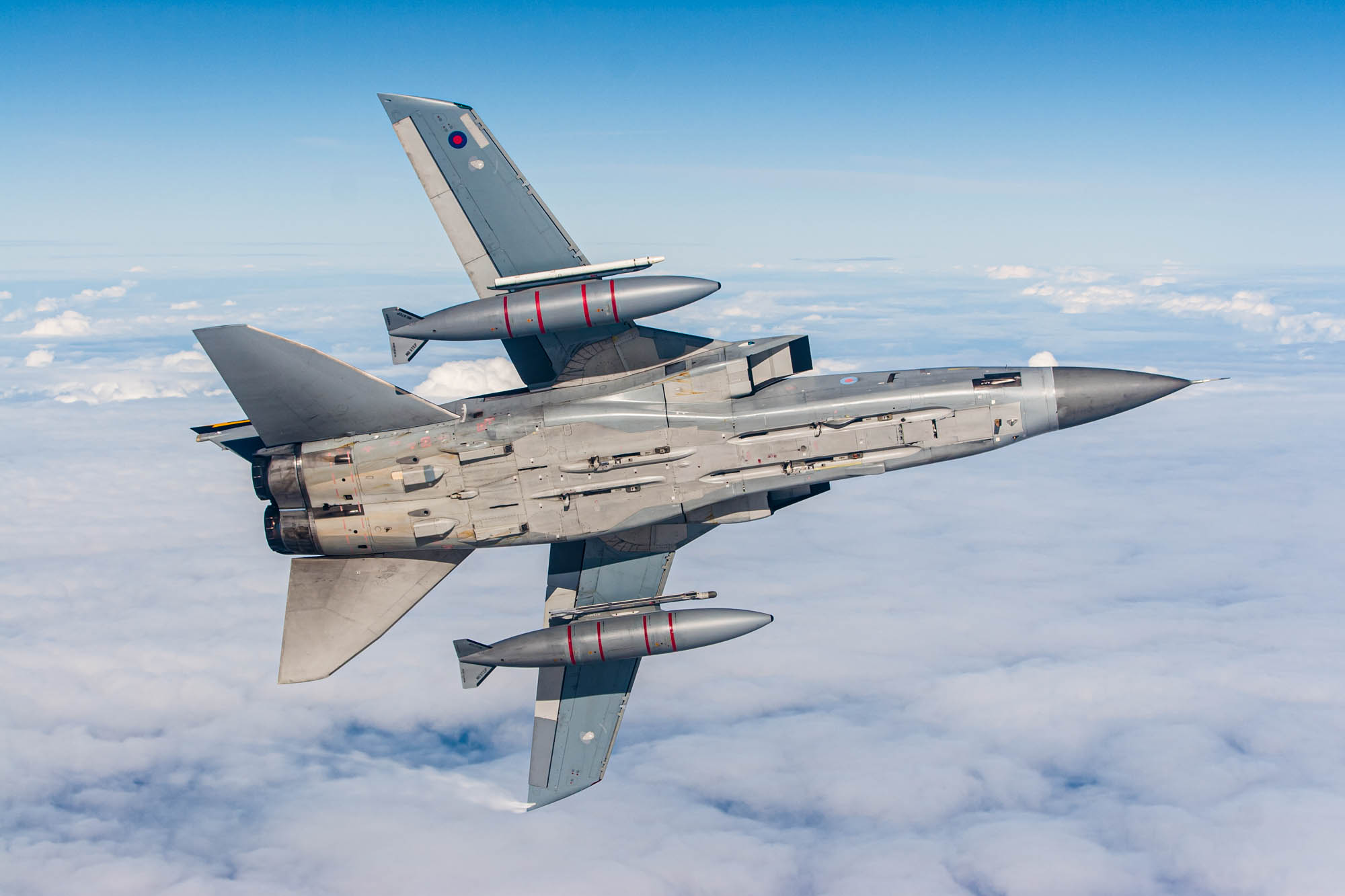

by Bubbles » Tue Oct 06, 2009 10:01 pm
and for owt higher we get something slightly faster.....like a duck? Users browsing this forum: No registered users and 19 guests