by Mackrick » Mon Feb 23, 2009 8:13 pm
I could write reams for you on FI calculations for fixed wing stuff, Manufacturers FI, Fatigue meter readings, sortie profiles, pressurisation cycles and levels, landings, full / braked / rollers / flap cycles etc. There are magic formulas for each type. Components and airframe parts also have lives both calendar and hours / Flown or run. Aircraft structures are put through structural test to define fatigue life wings flexing / pressurisation cycles etc. Now all modern aircraft have these but things like VC10 had no real backstop so they have had trials and tear down inspections to define their life span. (covers alot of RAF aircraft). Then fighters have wing replacements etc as they grow older, the Herc fleet has had this done.
Now for the next age bit.. In years yes you are right but you can have an old aircraft with a few hour on it. Now as I hinted at above landings and cycles alter the FI. You can have a high Cycles but low hours aircraft.
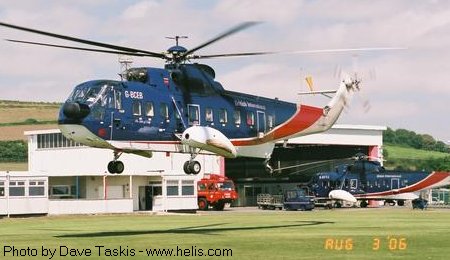
Now look at the helicopter fleet, Different type of FI. No pressure cycles, no fast heavy landings, engine and gearbox changes, Rotor changes , landing gear changes and all you have left is the fuselage itself. On the helicopter you can get to all the outside and most of the inside to carry out inspections for fatigue damage. On aircraft it is not that easy.
Hope this is a good starter to enable further debate....
Duc, sequere, aut de via decede